Price is one of the major factors in the procurement of industrial valves. However, other factors like safety, efficiency, and reliability are equally important. No matter whether you own a manufacturing plant, chemical processing plant, or industrial pipeline network; choosing a ball valve would be helpful in increasing efficiency and minimizing maintenance cost.
There are various factors influencing the price of a ball valve in India, including material of construction, size, pressure ratings, design of the valve, end connections, and operational requirement of the ball valve. These factors enable buyers to compare ball valves and choose the best one.
Various types of industrial ball valve solutions based on operating requirements, different materials of construction, sizes, pressure classes, and design are available with Metflow Engineers. This guide provides detailed information about factors affecting ball valve prices and different ball valves for your selection.
What is a Ball Valve & Its Working Principle?
A ball valve is a mechanical device that helps to control the flow of fluids and gases in pipelines. It consists of a ball having a hole in it. Fluid flows through the pipe only when this hole is in line with the pipe. Rotating the ball by about 90 degrees stops the flow by closing the channel.
The popularity of ball valves lies in their quick shut-off, compact design, and proper sealing when properly selected for a particular application.
Common uses of ball valves in industries include:
Oil & Gas Processing
Chemical & Petrochemical Industries
Water Treatment Plants
Power Generation Plants
Pharmaceutical Industry
Other Manufacturing Industry
Selection of a proper valve is crucial for the safe & consistent working of a system.
What is the Ball Valve Price in India?
There isn't a universal price of industrial ball valves. The ball valve price in India depends on many factors including specification & intended use of a particular valve.
A small valve used in a low-pressure application is expected to be cheaper than a larger diameter valve that operates at high pressures for industrial applications. Similarly, stainless steel and specialized alloy valves can be more expensive than carbon steel ball valves depending on the material quality used.
The following are some of the factors that play a major role in determining the cost:
Material of the valve body and component specifications
Size of the valve body and bore specifications
Pressure and temperature specifications
Body design: one piece, two pieces, or three pieces
Floating ball design or trunnion mounted ball design
Type of end connections and installation specifications
Manually or mechanically operated valve
Testing and inspection requirements
To receive an accurate quotation, buyers can contact a competent ball valve manufacturer in India instead of using a general price quote.
Critical Determinants of Cost of Ball Valve in India
Construction Material
Material choice is one of the critical factors affecting valve cost. Various materials have different degrees of corrosion resistance, strength, and suitability to operating conditions.
Some of these materials include:
Carbon steel: It is a material that is commonly used in various industrial processes where toughness and ability to withstand high pressure are required.
Stainless steel: It is used when corrosion resistance is required.
Alloy Steel: It is used where certain mechanical or operational properties are needed.
Choice of material will depend on the chemical composition of fluid, temperature, pressure, and surrounding environment. The decision to choose a material solely based on price could prove to be costly.
Valve Size and Bore Design
Size of the valve is directly proportional to amount of material required and machining needs, hence increasing cost of valve.
The bore design is also important:
Full Bore Ball Valve: Offers a flow path that is similar to the inner diameter of connecting pipeline.Reduced Bore Ball Valve: This type of valve has reduced flow passages compared to the pipe and is applicable in cases where it will allow some additional flow restriction.
It depends on the flow requirement and installation space.
Pressure and Temperature Ratings
Valves used in industry should be able to withstand the pressure and temperatures prevailing in their intended applications. Pressure ratings and difficult temperature ratings might need special materials and processes to make the valves.
Before placing a request for quotation of the valve, one should know the normal operating pressures, maximum pressures, operating temperatures and pressure surges, if any. The valve selected should meet the needs of the entire system.
Design and Construction of Ball Valves
Ball valves come in different designs that have particular benefits of maintenance and operations.
One-piece ball valves have a small body structure and they may be appropriate in simpler applications.
Two-piece ball valves have a body structure made up of two principal sections and they are applied in industrial and general purpose systems.
Three-piece ball valves have a section of the body that can be detached for maintenance.
The exact cost will depend on the design, size, material, pressure rating, and manufacturer’s specifications.
End Connection
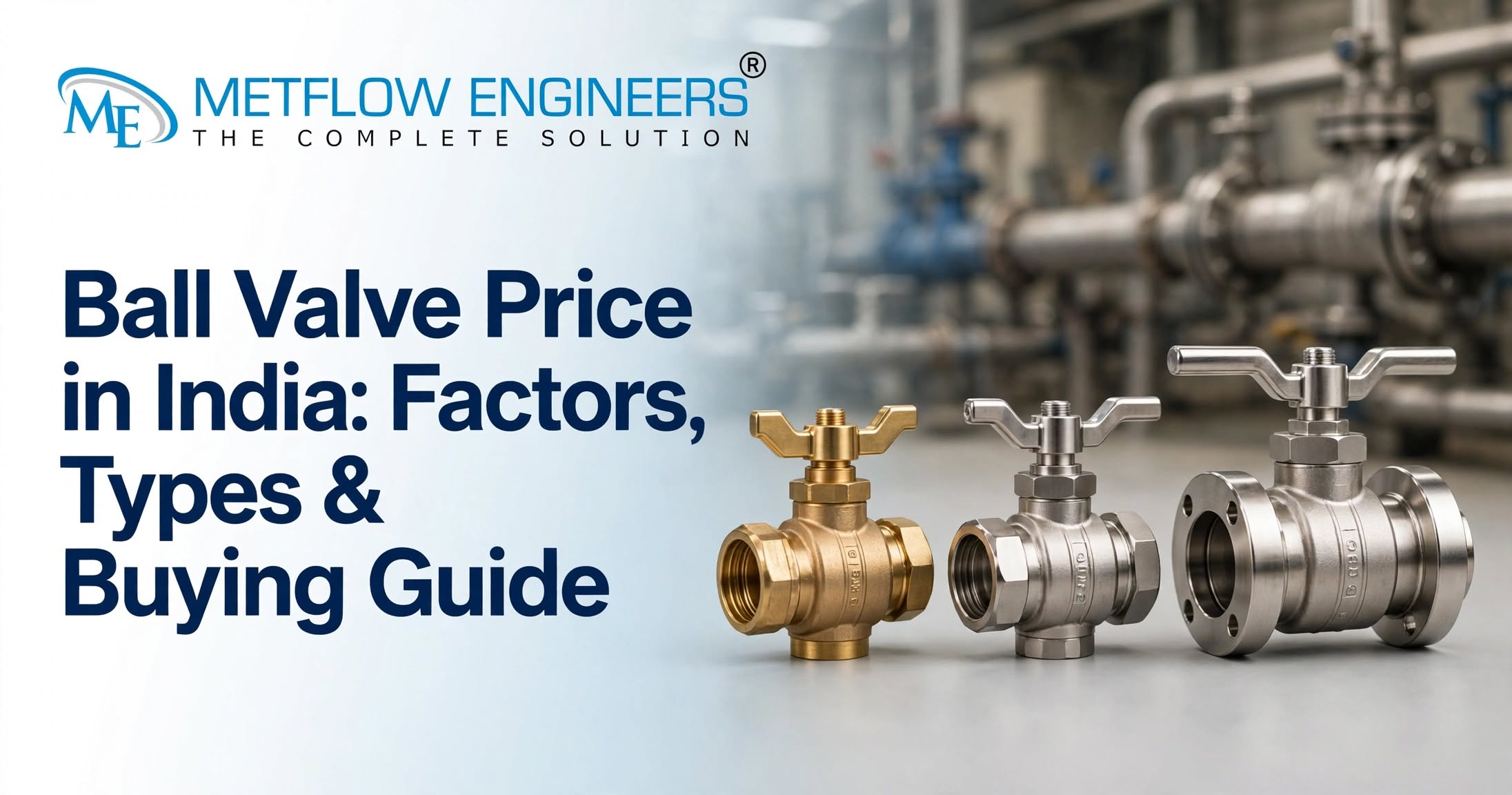
The end connection determines how a valve is connected to the pipe line. The most common forms of connection include: threaded, flanged, and butt-weld.
Threaded ends: Usually applied to smaller valves and pipes.
Flanged ends: Normally used in industrial installations that require bolted connections and maintenance.
Butt-weld ends: Applicable in suitable piping systems for welded connection.
The connection type impacts on procurement and fabrication requirements as well as the total procurement cost. It is always important to be sure about the connection requirement before procurement.
Valves Manual or Automated Operation
Operation type can also determine the final cost of valves.
For manual valves, operation is either by the lever or gearbox depending on the valve size and design. In automated valves, the actuator may be pneumatically or electrically operated.
While automated valves normally carry a higher price than manually operated valves, they have some benefits in cases where remote operation is necessary.
Manufacturing Specifications and Quality Testing
Some valves manufactured industrially have some special manufacturing and quality requirements based on the industry and application.
For instance, the list of ball valves provided by Metflow Engineers follows standards such as API 6D, ASME B16.34, ASME B16.10, and API 598, among others. You need to verify the particular standards that will apply to your particular type of valve and see if you need any inspection, materials certification, or testing. That may affect your final quotation.
Types of Ball Valves Used in Industrial Applications
It will be easy for you to select a valve once you understand the various types of ball valves.
Floating Ball Valves
In this type of ball valve, the ball floats on its seats, and can slightly move when there is fluid pressure. This kind of valve is mostly used in a number of applications from low to medium pressures, depending on the design.
Trunnion-Mounted Ball Valves
This is a valve that uses mechanical anchoring to support the ball. It is normally used in large size applications where high pressure exists.
Two-Piece Ball Valves
In two-piece valves, the valve body is split into two halves. They are made in various types of material and sizes with differing ends.
Three-Piece Ball Valves
A three-piece ball valve has a middle body section that sits between two end sections. In some cases, depending on the particular valve, this makes it easier to service the valve without disassembling the whole valve from the pipe.
Full Bore and Reduced Bore Ball Valves
While full bore ball valves allow relatively unobstructed flow, reduced bore ball valves are characterized by smaller openings. This depends on pressure drop, flow capacity, cleaning needs, and process needs.
Not all valves suit all process needs and conditions. Ensure you check the pressure-temperature ratings provided by the manufacturer.
Steps to Choosing the Right Ball Valve
The process of choosing the right ball valve should go beyond comparing quotations.
Identify the Process Fluid
The process fluid could be water, oil, gas, chemical or any other material. Identify the potential for corrosion or incompatibility with the process fluid.
Operating Conditions
Operating pressures, maximum design pressure, temperatures, and flow rates should be known for your process.
Select the Right Material
Make the right choice of body, ball, stem, and seat materials depending on the type of fluid used and the operating conditions.Check the Relevant Standards
Find out the relevant design standards, pressure rating, testing, and connections. Any documentation needed should be obtained.
Assess the Maintenance Requirements
Check the frequency of the operations, maintenance availability, and the kind of operations that the valves must perform; whether manual or automatic. This will guide you in choosing the best design.
Assess the Total Cost of Ownership
It’s not just about comparing the prices. The installation cost, maintenance cost, downtime, life expectancy, and the replacement requirement must be considered. In many cases, a well-chosen valve may offer more value than an inexpensive but improperly selected valve.
Why Choose Metflow Engineers for Your Ball Valve?
Selection of a reliable producer is a very important issue for industrial customers.
Ball valves for industrial purposes made by Metflow Engineers are presented in different designs, materials, pressures, and connections.. The published range of its products consists of bolted side-piece cast carbon steel, stainless steel, and alloy steel ball valves in diameters ranging from 2" to 12" and ASME Classes 150 to 600.
Among the factors which should be considered when choosing a supplier are:
Suitable specifications availability
Materials and pressure ratings availability
Manufacturing and testing standards applicable
Technical documentation availability
Compatibility with project requirements
Selection and quotation assistance
For companies searching for a ball valve manufacturer in India, it is essential to provide details on the application and make sure the supplier is able to offer a product meeting the technical requirements.
Explore the range of Metflow Engineers Ball Valves to check product specifications and discuss your requirements.
How to Get an Accurate Ball Valve Quotation
In order to get an accurate quotation, provide all the technical details you have.Your inquiry should contain:
Size and number of valves needed
Body type and material for internal parts
Pressure and temperature rating
Ball valve type and bore size
End connection needed
Manual/Pneumatic/Electric
Any standards/inspection if any
Delivery location and time frame
This will enable your supplier to recommend the suitable arrangement and quote you accordingly.
FAQs for Ball Valve Price in India
1.What is the ball valve price in India?
Depends on valve size, construction, material, pressure rating, type of end connections, etc. Higher the complexity, higher will be the price of valve. Contact a supplier for a quotation based on your requirements.
2.Which are the important factors determining the ball valve prices?
The main factors influencing the ball valve prices are the material of construction, size of valve, pressure rating, temperature, body construction, end connection, actuation and inspection standards.
3. What would be the most suitable material for ball valves in industry?
There is no one single material that will suit all the industrial purposes. There may be cases where carbon steel is appropriate, whereas stainless steel or special alloys will be preferable for specific industrial corrosive and harsh environments.
4. How do I select the correct ball valve size?
The choice of ball valves depends on several factors like pipeline diameter, flow rate, acceptable pressure loss and process considerations. Ball valves need to be selected considering engineering requirements, rather than simply on pipeline diameters.
5. Are stainless steel ball valves more expensive than carbon steel ball valves?
It may happen but there are other factors which must be considered as well such as corrosion resistance and the working environment.
6. How do floating and trunnion-mounted ball valves differ?
Floating ball valves rely on valve seats to hold the ball and seal it. Trunnion mounted ball valves have some extra holders that help keep the ball in place.
7. From where can I get a reliable ball valve supplier in India?
It is the duty of the supplier to provide relevant product specifications, material, standards, testing information, and technical assistance. Please ensure that the valve supplied is competent enough for your project requirements.
8. Where can I purchase industrial ball valves from Metflow Engineers?
One can visit the official page of Metflow Engineers Ball Valves to know about their product range and can inquire about their products.
Conclusion
Knowledge about ball valve price in India can assist industrial buyers in making good purchases, but not necessarily the lowest quotation. Compatibility with materials, pressure rating, valve type, quality requirements, and maintenance should be considered before deciding on purchasing any valve.
By defining your operating requirements and comparing technologically feasible valves, one can get the best valve that ensures efficient and reliable performance.
Industrial ball valves from Metflow Engineers are available for various applications and technical requirements. One can visit their official page of ball valves to know more.